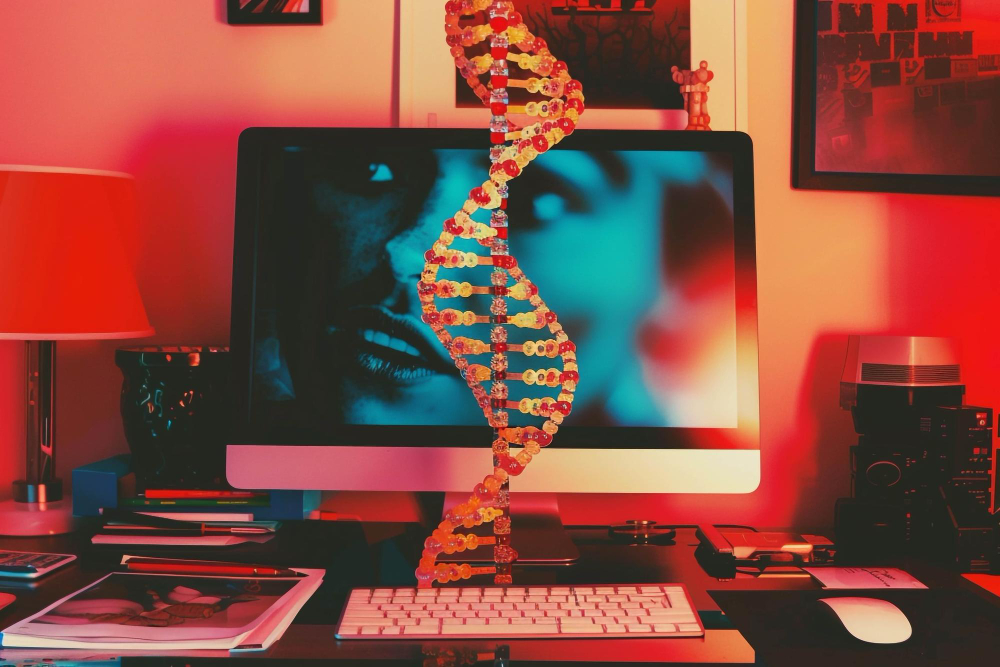
La soberbia del mono con teclado
Fíjate bien. El ser humano es de una soberbia impresionante. Todavía no podemos hacer que una impresora reconozca el Wi-Fi a la primera, o que el cargador del celular no se rompa a los tres meses, pero ya decidimos que estamos listos para editar el código fuente de la vida. Es fascinante.
Pasamos de picar cartón con tarjetas perforadas para que una máquina hiciera una suma, a querer entrar al núcleo de nuestras células para hacer un “copy-paste” de genes. Básicamente, estamos tratando a la evolución —que se tardó millones de años en medio armarnos— como si fuera una aplicación beta que sacó un desarrollador becario y que nosotros, en nuestra infinita sabiduría de cinco minutos, vamos a “optimizar”.
1. ¿Qué es CRISPR? (O el ‘Search and Replace’ de la naturaleza)
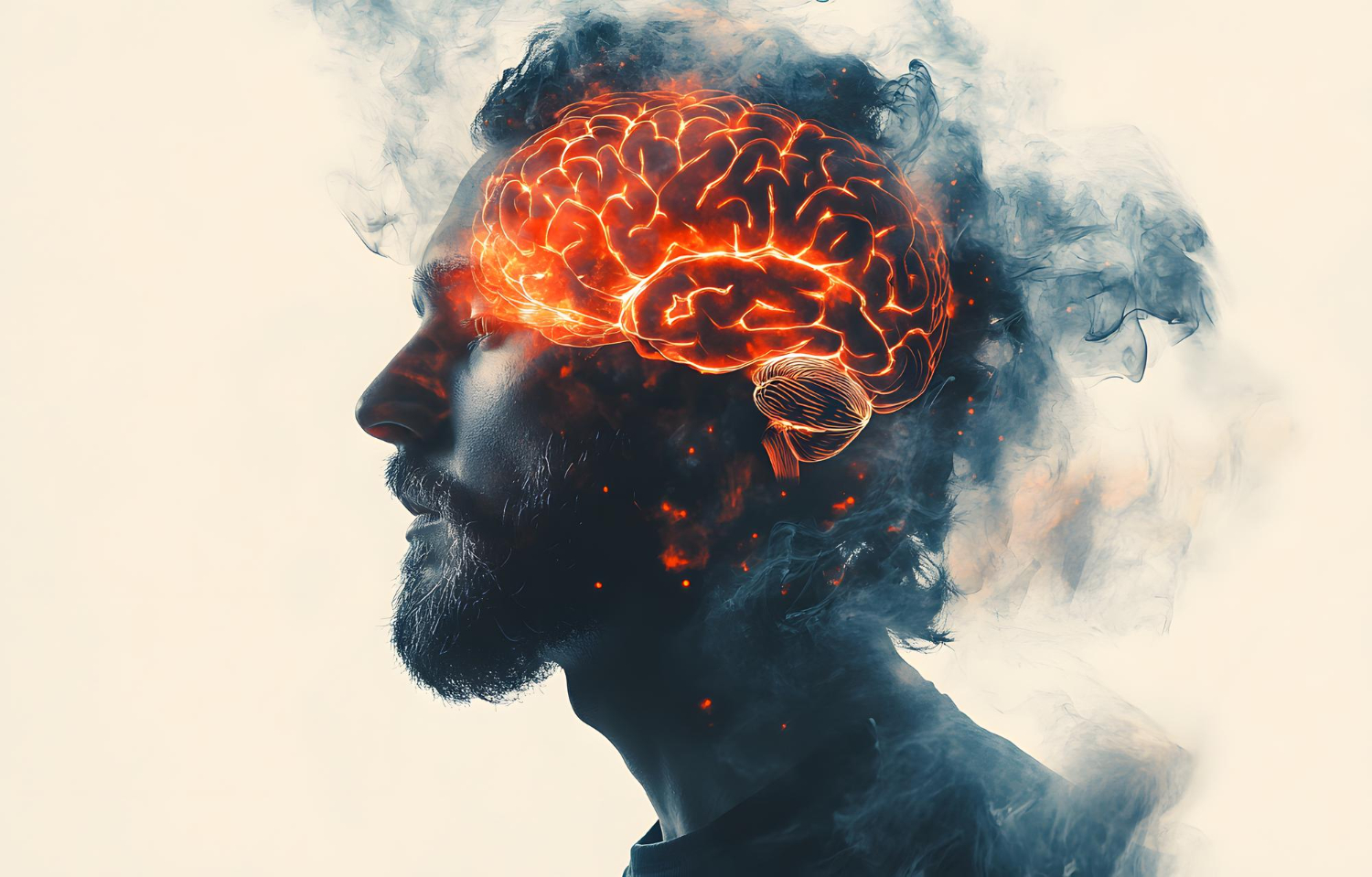
Para los que no están enterados, CRISPR es como el buscador de Word, pero para tu genoma. Es una herramienta que permite localizar un pedazo específico de ADN que está dando lata —un “bug” hereditario, digamos— y cortarlo para pegar una versión que sí funcione.
Es el nivel máximo de la Ingeniería de la Intención. Ya no se trata de pedirle a una IA que te haga una imagen de un capibara en el espacio; ahora se trata de decirle a una proteína: “Oye, ve al cromosoma 7 y quítame esa predisposición a la calvicie, que no quiero sufrir como mi tío”. Es programación pura, pero en lugar de usar binario, usamos cuatro letras: A, C, G y T. La sintaxis de la vida.
2. El “Vibe Coding” de la medicina
Estamos entrando en una era de Vibe Coding biológico. Queremos que la medicina sea “chill”, que sea preventiva por diseño. La idea suena increíble: borrar enfermedades antes de que nazcas. Borrar el cáncer, la diabetes, la miopía.
Pero fíjate en el peligro. Si los programadores actuales a veces borran la base de datos de producción por un error de dedo, imagínate al “Senior” de la clínica genética teniendo un mal lunes. “Ay, perdón, le quité la intolerancia a la lactosa pero ahora el niño brilla en la oscuridad cuando hay luna llena”. Un pequeño error en la estructura y terminas con un parche de seguridad que nadie pidió.
3. Humanos Premium vs. Humanos Open Source
Aquí es donde la cosa se pone color hormiga. Si la tecnología existe, alguien va a querer cobrar por ella. Y no va a ser barato. Vamos a terminar con una división de clases más marcada que la de los asientos en un avión trasatlántico.
Por un lado, los Humanos Premium: editados, sin enfermedades, con visión nocturna y seguramente con la capacidad de entenderle a los impuestos a la primera. Y por el otro, nosotros: los Humanos Open Source, llenos de bugs, con alergia al polen y con esa rodilla que nos truena cada vez que va a llover. Es la actualización de software más injusta de la historia.
Conclusión: El parche final
Al final, CRISPR es la confirmación de que ya no queremos ser parte de la naturaleza; queremos ser sus administradores de sistemas. Queremos una realidad donde el azar no exista y donde cada rasgo sea una decisión de diseño.
Ojalá que cuando estemos editando el código de la humanidad, no se nos olvide que lo que nos hace interesantes no es la perfección, sino precisamente esos errores de sistema que nos obligan a ser creativos. Porque un mundo de humanos perfectos y optimizados suena tan aburrido como un manual de instrucciones de una licuadora.